
主催者挨拶|Greetings from Hosts
Conference アニメ研究を切り開く
Beyond Theorizing Anime 開催にあたって
新潟大学アニメ・アーカイブ研究センター
Archive Center for Anime Studies, Niigata University
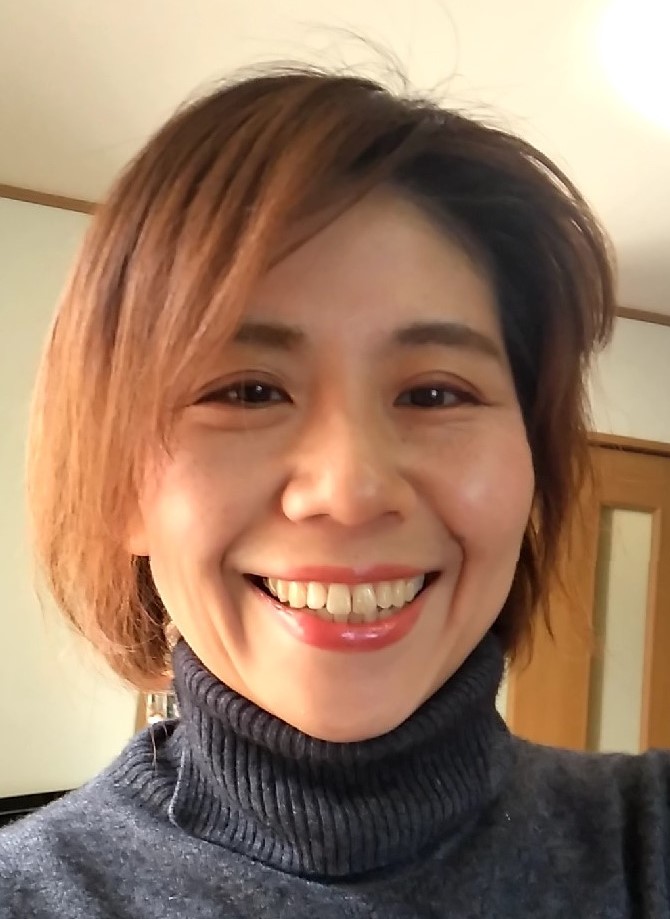
共同代表|Co-Director
石田 美紀 Dr. Minori ISHIDA
経済科学学部
学際日本学プログラム教授
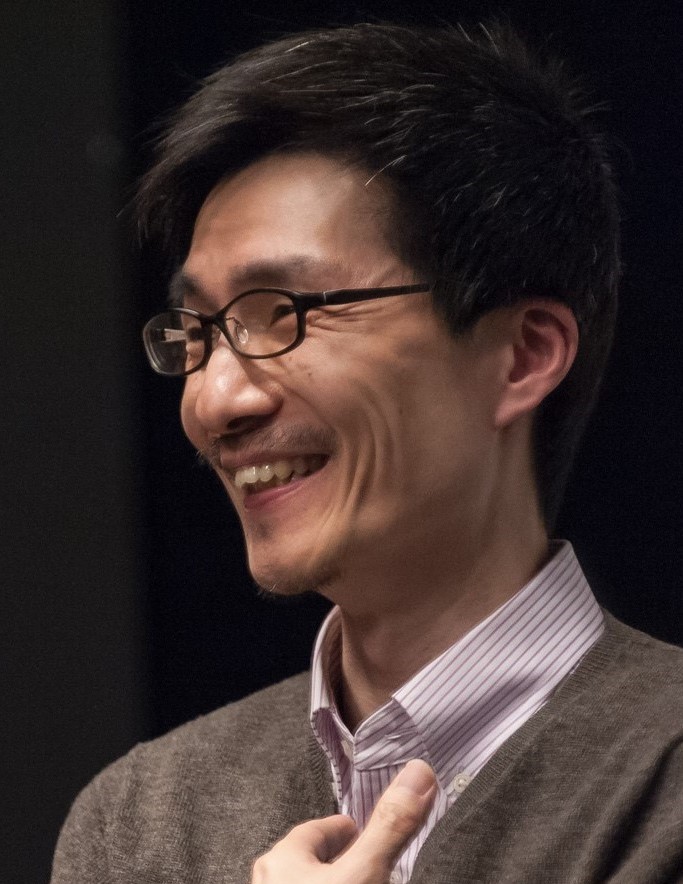
共同代表|Co-Director
キム ジュニアン Dr. Joon Yang KIM
経済科学学部
学際日本学プログラム准教授
本コンファレンスは、従来顧みられることが少なかった二つの観点からアニメ研究の可能性を探求することを目指しております。一つは、音声からアニメの表現とその受容を考察する観点であり、もう一つは、アニメ制作過程から生み出される絵コンテ、原画など中間素材からメディアとしてのアニメを再考する観点です。
まず、前者の音声に関する観点は、聴覚的側面からアニメという表現媒体へのアプローチです。例えば、キャラクターに声を与える演技者は、日本では声優と呼ばれています。多くのアニメ制作においては、声優がアニメーターの描く表情や動きなどの視覚的側面と同期し、視聴覚的媒体であるアニメーションのキャラクターを成立させる、「アフレコ」方式が採用されています。ただし、ディズニーの長編劇場作は、声優の声を先に収録する「プレスコ」です。このように、同期の方法は国や地域、時代によって異なっており、キャラクターの声に代表される聴覚的側面もまたそれ自体、学術調査と検討がまたれるものです。それと同時に、日本、そして海外の視聴者がいかにしてキャラクターと声優の声を聴いてきたのかもアニメの歴史の重要な側面を形成しており、聴覚的側面からのアニメの分析は、これまでに看過されていた多くの課題を掘り起こすはずです。
一方、後者の中間素材に関する観点は、完成状態の作品に議論が集中しがちなアニメ研究の視座を作品の生成過程に拡大させ、さらに中間素材を生成過程そのものの「記録」として位置づけるアプローチです。それらの中間素材は、20世紀の後半、アニメーション産業における下請け体制の拡大に伴い、受容だけでなく生産のレベルでもグローバルな展開を可能にした物質的リアリティーを証言・体現しています。完成したアニメーション作品自体がカメラの前にあったプロフィルミックな物事の膨大なアーカイブであることを示すHannah Frankの 画期的な研究に鑑みると、画面上に存在するそういったアーカイブの物質的根拠としてのセル画や絵コンテなど中間素材はアニメの研究を様々な可能性へと導いてくれるはずです。しかしアニメ中間素材に対する従来の扱い方は研究者にとって必ずしもアクセスしやすい状況とはいえず、それら素材のアーカイブについての領域横断的な再検討も要請されています。
本コンファレンスは、これらふたつの観点を念頭に入れながらに国内・外の研究者から発表と参加を募り、アニメというメディアの新しい側面、そしてアニメ研究の新しい可能性を発見する契機になることを目指しています。私たち主催者は、本コンファレンスをアニメ研究者が新しい視点とアプローチを試み、交流する最初の場として活用して頂きたいと願い、積極的な参加を期待しています。
This conference aims to explore the possibilities of “anime” studies from two perspectives which little attention has been paid to. One is to consider the creation and the reception of anime in terms of voices, and the other to reconsider anime as a media form through “intermediate” materials like storyboards and key drawings created in the process of anime production.
The first perspective with voices takes an approach toward anime as a media form in aural terms. For example, performers providing their voices to characters on screen are called seiyu (voice actor). In many anime productions, the system of afureko (stemming from “after recording”) is employed in which a seiyu brings to being an animated character as an audio-visual medium by synchronizing her/himself with its visual elements, like facial expression and movement, rendered by animators. Yet, Disney’s system for their animated features is pre-scoring in which the dialogues of characters are recorded in advance. With this in mind, it should be noted that ways of synchronizing voices and characters differ between countries, regions, and periods, and the aural aspects epitomized by the voices of animated characters deserve theoretical research and examination. Besides, given that significant aspects of anime history have been formed by ways in which audiences hear and listen to the voices of characters and their voice actors in Japan and abroad, a plethora of questions overlooked for a long time will be elicited through analyses of anime in aural terms.
On the other hand, focusing on anime’s intermediate materials aims to stretch the scope of anime studies, often centering on completed works, toward the process of anime production, and in this approach those materials are taken as the very faktura of the process. The materials bear testimony to and are the embodiments of material reality that has enabled anime’s global expansion at the level of production as well as reception, with animation industry’s mode of subcontracted or outsourced production spreading around the world since the later part of the twentieth century. Given Hannah Frank’s pathbreaking study in which every completed animation itself is considered as the huge archive of the profilmic objects and events that existed before the camera, anime studies will be led to a variety of possibilities by animation cels and other intermediate materials as material references to those archives that exist on film/screen. However, a cross-disciplinary reconsideration needs to be made about the way of archiving the intermediate materials which have not always been easy for scholars and researchers to access.
Focusing on the two perspectives and intending to be a catalyst to unearth and discover new aspects of anime as media and new possibilities of anime studies, this conference encourages scholars and researchers to give presentations and share ideas and insights. As hosts, we look forward to your participation in the hope that the conference serves as an exploratory site for scholars and researchers of anime to try and test untrodden perspectives and approaches.