
Greetings | 開催のご挨拶
開 催 の 趣 旨 << 日本語はここをクリック
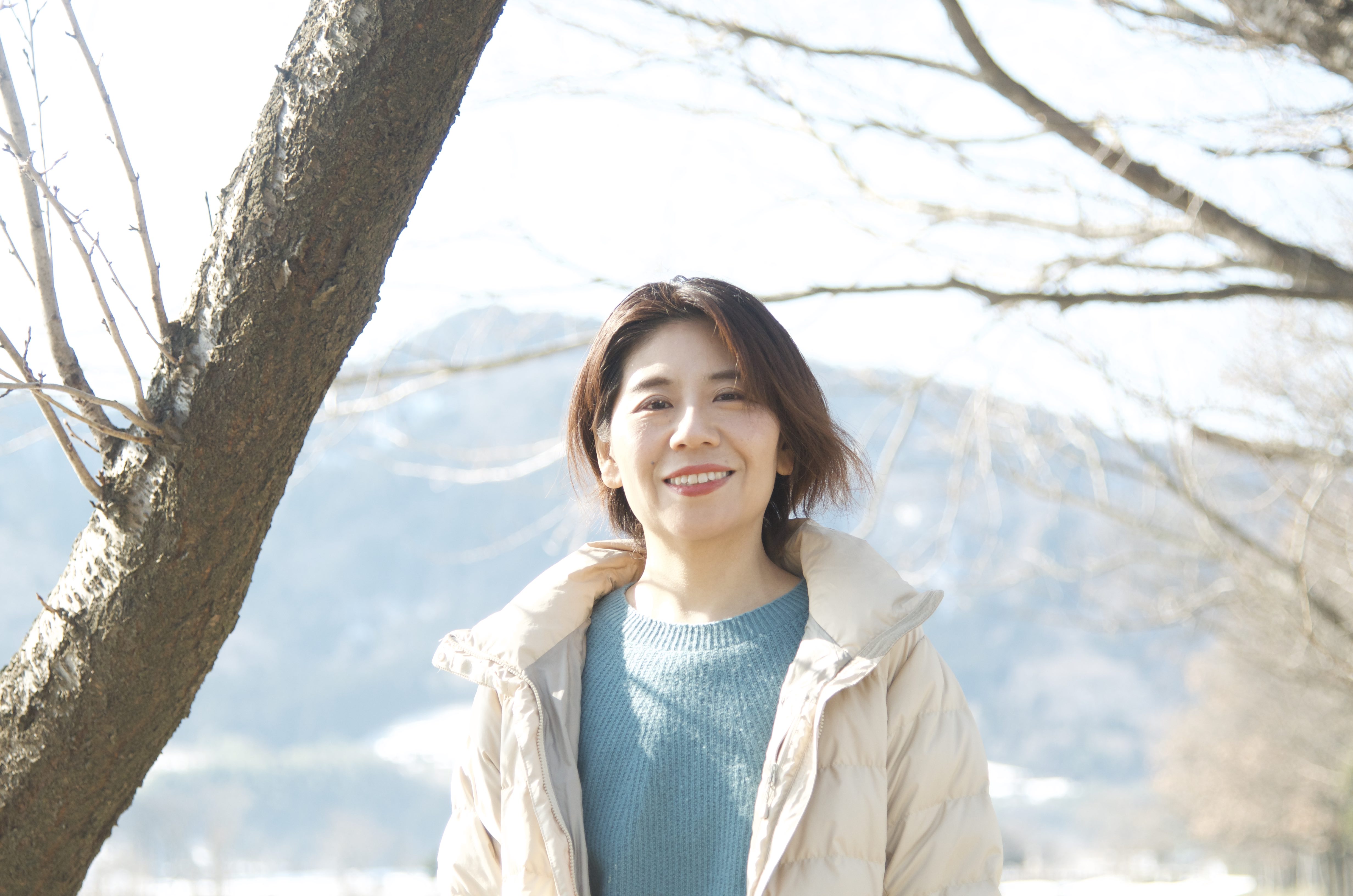 |
Co-Director Dr. Minori ISHIDA Professor Programme of Interdisciplinary Japanese Studies Faculty of Economic Sciences |
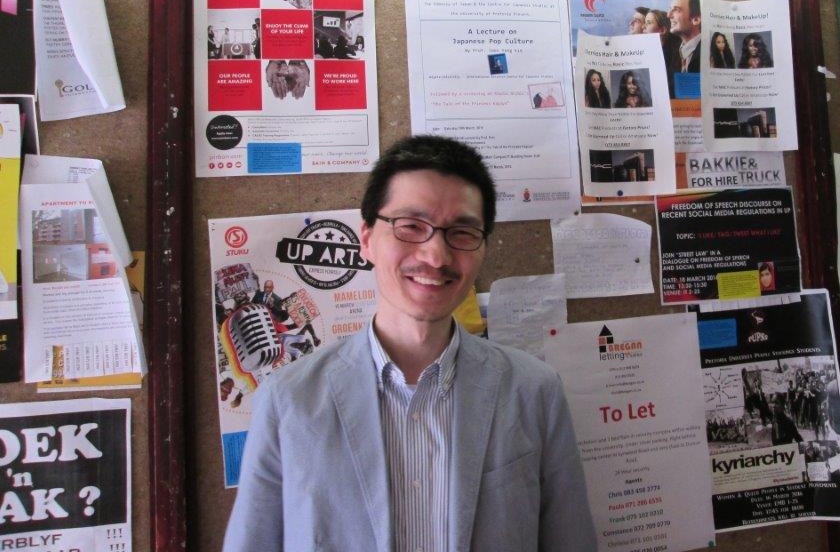 |
Co-Director Dr. Joon Yang KIM Associate Professor Programme of Interdisciplinary Japanese Studies Faculty of Economic Sciences |
In the digital environment of animating and filmmaking, the materiality of animation appears to become more and more peripheral and invisible, without a tangible trace. The production of cel-based hand-drawn animation, which was dominant over the twentieth century, entailed a tremendous number of materials, including design sheets, storyboards, cel drawings, or background paintings.
Circulated between production crewmembers, between studios and between countries, these delicate and “fleeting” materials constituted the profilmic reality of animation. In a concrete yet disruptive way, they connected creative agency and spectatorship to a world that they were to construct on screen. Spectators could not see key drawings and inbetweenings in motion on screen, which were so rendered with characters on paper as to be copied onto cel. The outlines of characters were copied on cel, while backgrounds were painted on separate sheets of paper. All of these were stacked in order and then photographed frame by frame on an animation stand, for spectators finally to see something moving, a world in motion, on screen.
Since the launch of the Archive Center for Anime Studies, Niigata University (ACASiN) in 2016, we have archived and researched such materials, which were created and used for different anime productions between the 1960s and the1990s. Termed by us/ACASiN as “intermediate,” those archived materials should be revisited as invaluable resources for creativity, as well as research, in that they embody the multiple processes and aesthetic dynamics of anime and animation production. Reconsidered and reemployed from a media-ecological perspective, anime’s intermediate materials (AIMs) will bring to light how animators and artists in different sites of production worked as hidden “manual” agents between succeeding sheets of paper, between layers, between seconds, communicating and interacting with viewers at a variety of levels, visual, kinesthetic, diegetic, and discursive.
Yet, these AIMs are in crisis of falling into ruin—laid off, lost, made redundant, or destroyed as industrial wastes. Without their preservation and archiving, we will be no longer able to see how these intermediate materials physically and tangibly formed aesthetic genealogies still lingering in contemporary animation studios.
This artistic-academic event is intended to develop, share, and expand understandings and knowledge of how to give a new life to archived materials, or how to “re-animate” them. Instead of seeking to elevate sketches and drawings up to the status of “high art”, reducing them to auteur-centered discourses, our intention is to emphatically and critically demonstrate how meaningful those materials themselves are both in terms of creativity—artistic engagement and embodiment—and scholarship.
- What role did each of AIMs play in the process of animation production?
- What can be read from and between AIMs in terms of what they are as well as what they deliver?
- How were human agents engaged in AIMs at different stages of production?
- What did AIMs make it possible or impossible for human agents to do?
- In what ways did AIMs serve to form the aesthetics of contemporary anime?
- How can AIMs inspire today’s animators and artists who are concerned with viewing experience?
開催の趣旨
アニメーション制作のデジタル化が進む現在、アニメーションの物質性は手で触ることができないものとなり、周縁に追いやられ、目につかないものになっています。20世紀のアニメーション制作は紙やセルに作画することが中心でした。こうした制作環境において、原画、動画、設定資料、絵コンテ、セル画、そして背景画といった途方も無い数の素材が産出されてきました。
これらの素材は繊細であり、また「かりそめ」のものであったのですが、スタッフの間で、制作会社の間で、さらには国家の間で循環し、撮影以前のアニメーション制作工程の現実を作り上げてきたものです。つまり、これらの素材は、非統一的ともいえる個々の方法で、アニメーションの創造に関わる人々とオーディエンスを、スクリーンやモニターに構築される世界へと架橋してきたのです。観客が動く映像としてアニメーションを観るとき、紙に作画され、セルに転写されたキャラクターの「原画」や「動画」自体を観ることはできません。キャラクターの輪郭線はセルに転写されますが、背景は別の紙に絵の具で描かれます。これらは順序に従って重ね合わされて撮影台に置かれ、1コマ、1コマ撮影されました。そうしてようやく、観客は動くアニメーションの世界を観ることができたのです。
新潟大学アニメ・アーカイブ研究センターは2016年の発足以来、1960年代から90年代の多彩なアニメ制作の場において生み出された素材を「アニメ中間素材」と名付け、調査してきました。私たちは様々な制作工程から生まれ、アニメーションの美的力学を具体化したアニメ中間素材が資料的価値だけでなく、アニメ制作における創造的価値をも示していることに気づきました。メディア環境という観点からアニメ中間素材を再考すれば、アニメーターやアーティストたちが膨大な紙の連続のただなかで、レイヤーとレイヤーの間において、あるいは秒と秒のわずかな狭間で実践してきた、不可視の「手の」遂行行為者がいかなるものであったのかを、さらにはアニメ中間素材が視覚的、運動感覚的、物語的、そして言説的といったさまざまなレベルで視聴者とどのようなコミュニケーションを行なってきたのかを明らかにすることができるでしょう。
このたび開催する芸術実践的で学術的なシンポジウムは、アーカイブ化されたアニメ中間素材に新しい生命を与えること、つまりはそれらに再度「アニメーション」化を施す意義と方法についての理解と知識を発展させ、共有するために企画されました。私たちの意図は、アニメ中間素材に「高級芸術」としての地位を与えたり、それらを「作家主義的」に還元したりすることにあるのではなく、アニメ中間素材が創造性(芸術的な関与とその具現化)と研究の双方にとって、どれほど意義深いものであるのかを、力強く、また批評的に示すことにあります。
わたしたちの関心は以下のように問うことができます。
- アニメ中間素材はそれが生み出されたアニメ制作においてどのような役割を果たしてきたのでしょうか?
- アニメ中間素材の様態と役割に注目すると、アニメ中間素材同士の関係からはいったい何が判明するでしょうか?
- アニメ制作の様々な工程で仕事をしたスタッフはいかにアニメ中間素材に関与したのでしょうか?
- アニメ中間素材がスタッフに実現させたもの、あるいは実現させなかったものはいったい何でしょうか?
- アニメ中間素材は、現代のアニメの美学的様態をどのような方法で作り上げてきたのでしょうか?
- アニメ中間素材は、アニメの視聴者でもある現代アニメーターやアーティストをどのように触発してきたのでしょうか?